
Renting a scooter is one of the best ways to explore the Netherlands as a tourist. The compact cities, scenic landscapes, and excellent infrastructure make it perfect for two-wheeled adventures. However, the Netherlands has specific scooter rules that differ significantly from other countries. Understanding these regulations before you ride is essential to avoid fines, stay safe, and make the most of your Dutch experience.
This comprehensive guide covers everything tourists need to know about scooter rules in the Netherlands, from license requirements and helmet laws to where you can and cannot ride.
Two Types of Scooters in the Netherlands
The first thing tourists must understand about scooter rules in the Netherlands is that there are two distinct categories of scooters, each with different regulations:
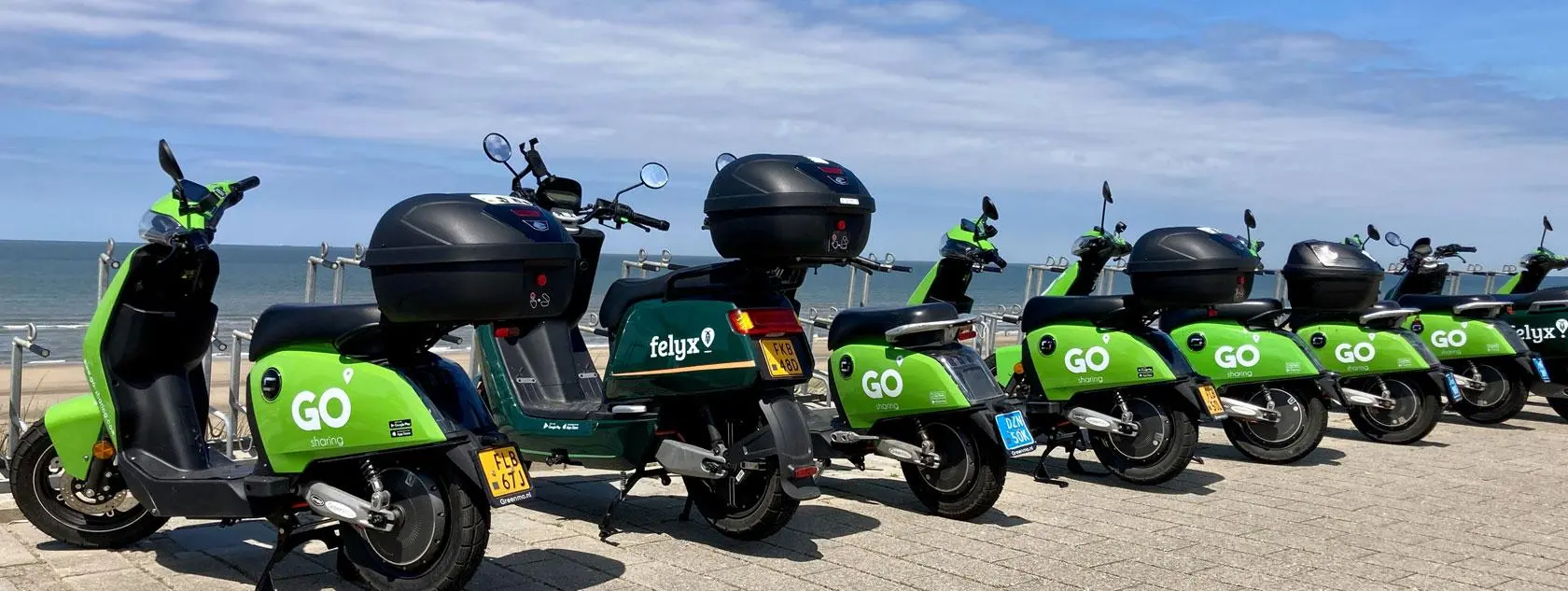
Bromfiets (Yellow License Plate)
- Maximum speed: 45 km/h
- Helmet is mandatory
- Must ride on the road with cars (not on bike paths, unless specifically marked)
- Requires AM license or equivalent
- Most common type for tourist rentals
Snorfiets (Blue License Plate)
- Maximum speed: 25 km/h
- Helmet required in Amsterdam (since 2023), optional in most other cities
- Must ride on bike paths where available
- Also requires AM license or equivalent
- Less common for tourists
When renting a scooter from services like Felyx or Check, you will typically receive a bromfiets (yellow plate) scooter. This is important because it determines which rules apply to you.
License Requirements for Tourists
One of the most common questions about scooter rules in the Netherlands concerns license requirements. Here's what tourists need to know:
- You need a valid driving license that includes category AM (moped) or higher (A, A1, A2, B)
- Most car licenses (category B) from EU countries automatically include AM privileges
- Non-EU visitors: Your national license is typically accepted if it covers mopeds/scooters
- An International Driving Permit (IDP) is recommended for non-EU visitors but not always required
- Minimum age: 16 years for bromfiets, but most rental companies require 18+
Always carry your license while riding. Police can request to see it, and riding without a valid license results in significant fines.
Navigate Dutch roads with confidence
Following scooter rules is easier with proper navigation. ScooterNav routes you only through roads where scooters are allowed, helping you avoid fines and dangerous situations.
Download ScooterNav AppHelmet Rules in the Netherlands
Dutch scooter rules regarding helmets are straightforward but important:
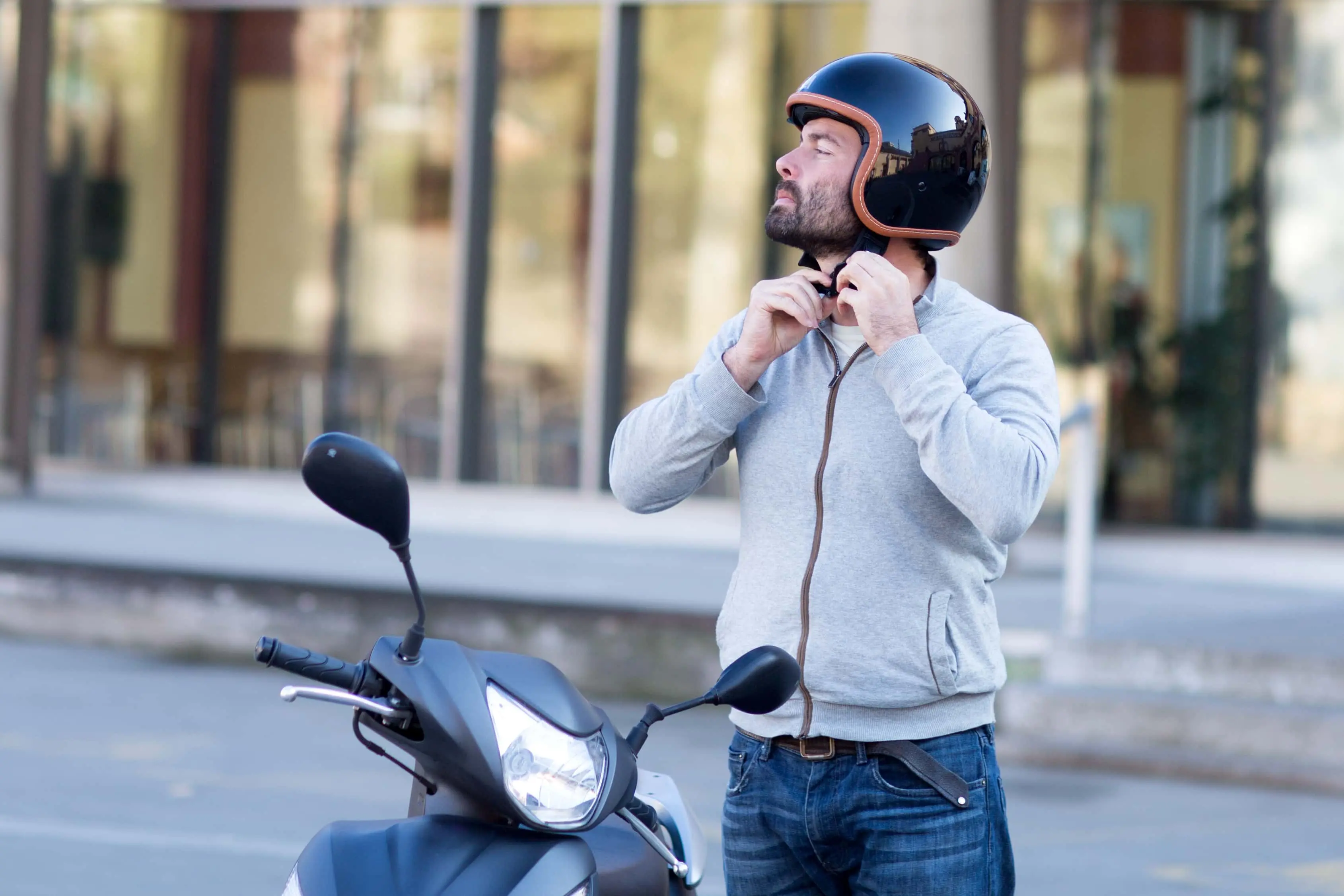
- Bromfiets (yellow plate): Helmet is ALWAYS mandatory throughout the Netherlands
- Snorfiets (blue plate): Helmet mandatory in Amsterdam since 2023; in other cities, check local regulations
- The helmet must be properly fastened and meet European safety standards (ECE 22.05 or newer)
- Rental scooters typically include helmets
Riding without a helmet on a bromfiets results in a fine of approximately €100. More importantly, head injuries are the leading cause of scooter fatalities – always wear your helmet.
Where Can You Ride? Understanding Dutch Road Rules
Perhaps the most confusing aspect of scooter rules in the Netherlands for tourists is knowing where you can and cannot ride. Here's a clear breakdown:
Bromfiets (Yellow Plate) Riders:
- Regular roads: Yes, this is your primary riding area
- Bike paths: Only if marked with a moped symbol on a blue sign
- Highways (A-roads): Absolutely NOT – this is dangerous and illegal
- 80 km/h roads (N-roads): Generally NOT allowed – check signage carefully
- Pedestrian areas: No
- Bus lanes: Only if specifically permitted by signage
Snorfiets (Blue Plate) Riders:
- Bike paths: Yes, this is your primary riding area
- Regular roads: Only when no bike path is available
- Highways and fast roads: Absolutely NOT
Many tourists unknowingly end up on highways because their navigation app doesn't understand scooter rules. We regularly have to escort scooters off the highway. Using proper scooter navigation prevents these dangerous situations.
Important Traffic Signs to Know
Understanding Dutch traffic signs is crucial for following scooter rules in the Netherlands. Here are the most important ones:
- Round blue sign with white bicycle: Bicycle path – bromfiets NOT allowed unless there's also a moped symbol
- Blue sign with bicycle AND moped symbol: Shared path – both bicycles and bromfiets allowed
- Red circle with bromfiets in black: No mopeds/scooters allowed
- Milieuzone sign: Environmental zone – some scooters may be restricted (electric scooters are always allowed)
- Eenrichtingsverkeer (one-way): Often has exception signs for cyclists and sometimes mopeds
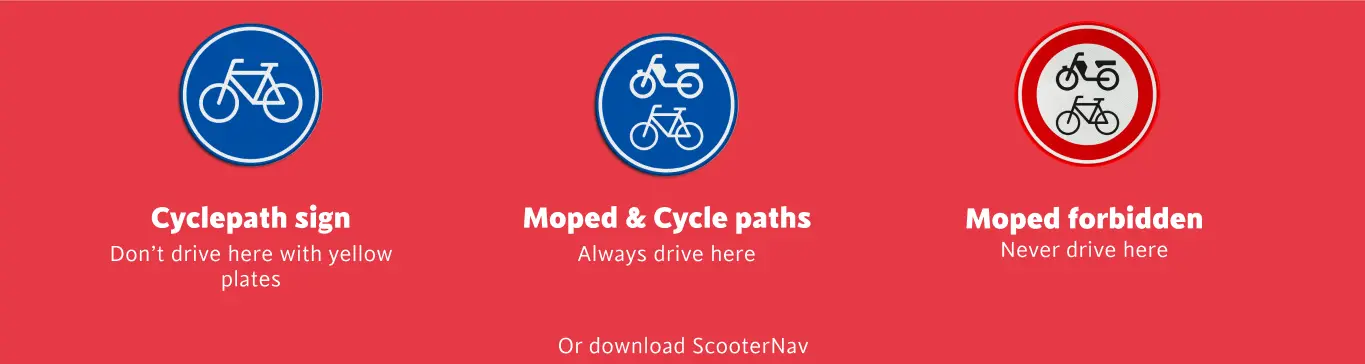
Memorizing all these signs can be challenging, especially when you're trying to enjoy your vacation. This is where ScooterNav becomes invaluable – it automatically routes you through roads where scooters are permitted, so you don't have to constantly interpret signage.
Speed Limits and Fines
Dutch scooter rules include strict speed limits:
- Bromfiets maximum: 45 km/h (built-in limit)
- Urban areas: Usually 30-50 km/h (follow posted signs)
- Bike paths: Match the flow of bicycle traffic, typically 15-25 km/h
Speed cameras in the Netherlands also catch scooters. Common fines include:
- Speeding: €50-400+ depending on how much over the limit
- No helmet: ~€100
- Riding on prohibited roads: €100-150
- Using phone while riding: €420
- Running red light: €280
- Riding under influence of alcohol: €380+ (and criminal record for serious cases)
Avoid fines with proper navigation
ScooterNav keeps you on legal routes and away from roads where scooters are prohibited. Navigate safely and avoid costly fines.
Download ScooterNav NowAlcohol and Drug Rules
The Netherlands has strict rules about riding under the influence:
- Maximum blood alcohol: 0.5‰ (0.2‰ for novice drivers)
- Drug driving: Zero tolerance for any drugs including cannabis
- Police can perform roadside tests
- Penalties include fines, license suspension, and criminal charges
Our recommendation: Don't drink at all before riding. Even one drink can affect your reaction time, and as a tourist navigating unfamiliar roads, you need full concentration.
Right of Way Rules
Understanding priority rules is essential for safe riding:
- Priority from the right: At unmarked intersections, traffic from the right has priority
- Shark teeth markings: Triangle patterns on the road mean you must give way
- Roundabouts: Traffic on the roundabout typically has priority (watch for signs)
- Trams: ALWAYS give priority to trams – they cannot stop quickly
- Emergency vehicles: Pull over and stop for police, ambulance, and fire trucks
- Cyclists: Be extremely careful around cyclists – they're everywhere and often have priority
Special Rules for Amsterdam
Amsterdam has some additional scooter rules that tourists should know:
- Many areas in the city center restrict or prohibit scooters
- Snorfiets helmets are mandatory (since 2023)
- Environmental zones (milieuzones) restrict older petrol scooters
- Tram tracks are everywhere – always cross at a 90-degree angle to avoid accidents
- Watch for opening bridges that can temporarily block your route
- Parking rules are strictly enforced
Why Regular Navigation Apps Don't Work
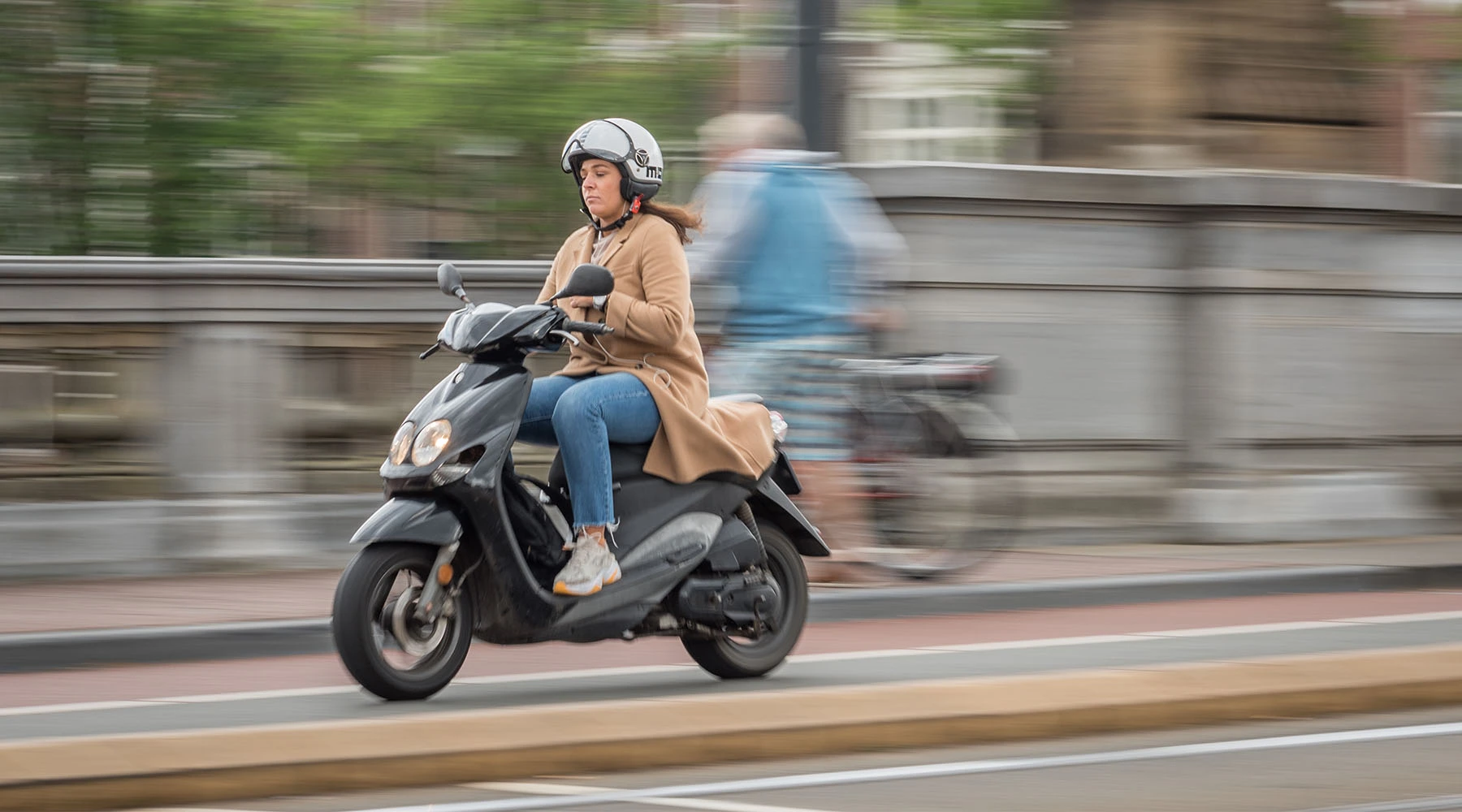
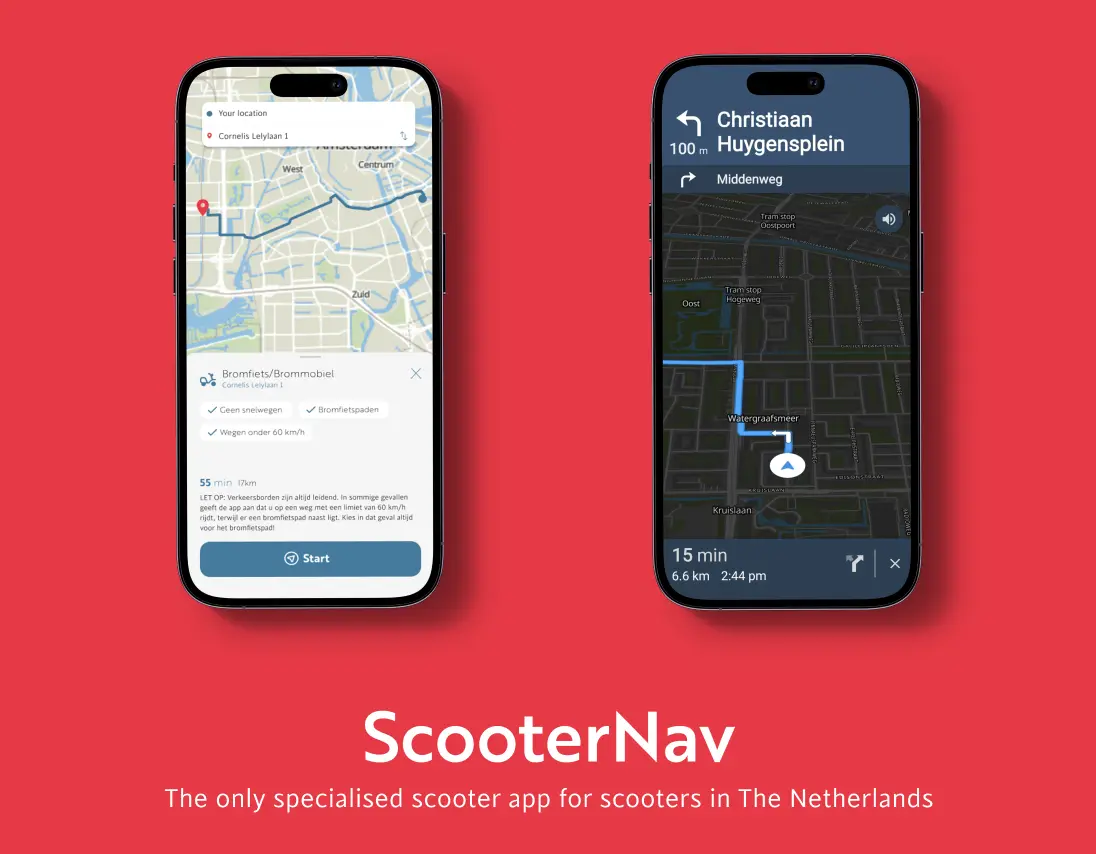
One of the biggest mistakes tourists make is using Google Maps or Waze for scooter navigation in the Netherlands. These apps don't understand Dutch scooter rules:
- They route you through highways where scooters are forbidden
- They don't know about bromfiets-specific paths and restrictions
- They ignore 80 km/h roads where scooters aren't allowed
- They don't account for ferry connections useful for scooters
Using car navigation on a scooter is not just inconvenient – it's potentially dangerous and can result in significant fines. ScooterNav was specifically designed for the Netherlands, with all scooter rules built into its routing algorithm.
Insurance and Liability
Important scooter rules in the Netherlands regarding insurance:
- All scooters must have liability insurance (WA-verzekering)
- Rental scooters include basic insurance in the rental fee
- Check your rental agreement for excess/deductible amounts
- Consider travel insurance that covers scooter accidents
- You're liable for damage to the scooter and third parties
Practical Safety Tips for Tourists
Beyond understanding the official scooter rules in the Netherlands, these practical tips will help keep you safe:
- Watch for cyclists: The Netherlands has more bikes than people – they're everywhere
- Be careful on wet roads: Tram tracks, painted lines, and cobblestones become very slippery
- Use hand signals: Indicate turns clearly to communicate with other road users
- Stay visible: Wear bright clothing and use lights in poor visibility
- Cross tram tracks at 90°: Crossing at an angle can catch your wheel and cause a crash
- Secure your belongings: Use the under-seat storage or a proper bag
- Don't use your phone: €420 fine and dangerous – use voice navigation instead
Renting a Scooter: What to Expect
When renting a scooter in the Netherlands as a tourist:
- Download the app: Services like Felyx and Check work through smartphone apps
- Register and verify: Upload your license and complete verification
- Find a scooter: Use the app to locate available scooters nearby
- Inspect before riding: Check brakes, lights, and overall condition
- Use the helmet: It's stored under the seat
- Download ScooterNav: For reliable navigation that follows Dutch scooter rules
- Return properly: Park in designated areas to avoid extra fees
Ready to explore the Netherlands by scooter?
Download ScooterNav before your trip to navigate Dutch roads like a local – safely and legally.
Download ScooterNav AppSummary: Essential Scooter Rules in the Netherlands
Here's a quick reference of the most important scooter rules for tourists in the Netherlands:
- Know your scooter type: yellow plate (bromfiets) vs blue plate (snorfiets)
- Always wear a helmet on a bromfiets – it's the law
- Carry a valid license that covers mopeds
- Stay off highways and 80 km/h roads – they're forbidden for scooters
- Bromfiets ride on roads, not bike paths (unless marked)
- Respect speed limits: 45 km/h maximum for bromfiets
- No alcohol or drugs before riding
- Watch for trams and cyclists – they have priority in many situations
- Use proper scooter navigation, not car GPS apps
- Don't use your phone while riding – the fine is €420
By understanding and following these scooter rules in the Netherlands, you'll have a safe, enjoyable, and fine-free experience exploring this beautiful country. Combined with proper navigation from ScooterNav, you'll be able to focus on what really matters: enjoying your Dutch adventure.
Navigate the Netherlands safely
ScooterNav is the only navigation app designed specifically for Dutch scooter rules. Download now and ride with confidence.
Download ScooterNav AppLaatst bijgewerkt: 12 januari 2026